
Ngôn ngữEnglish
Hàng Dương Cemetery is one of Côn Đảo’s most important places of remembrance. Many Vietnamese patriots and revolutionary prisoners who died on the island are laid to rest here. People visit to pay their respects, learn about the island’s history and spend time in a quiet, reflective setting.
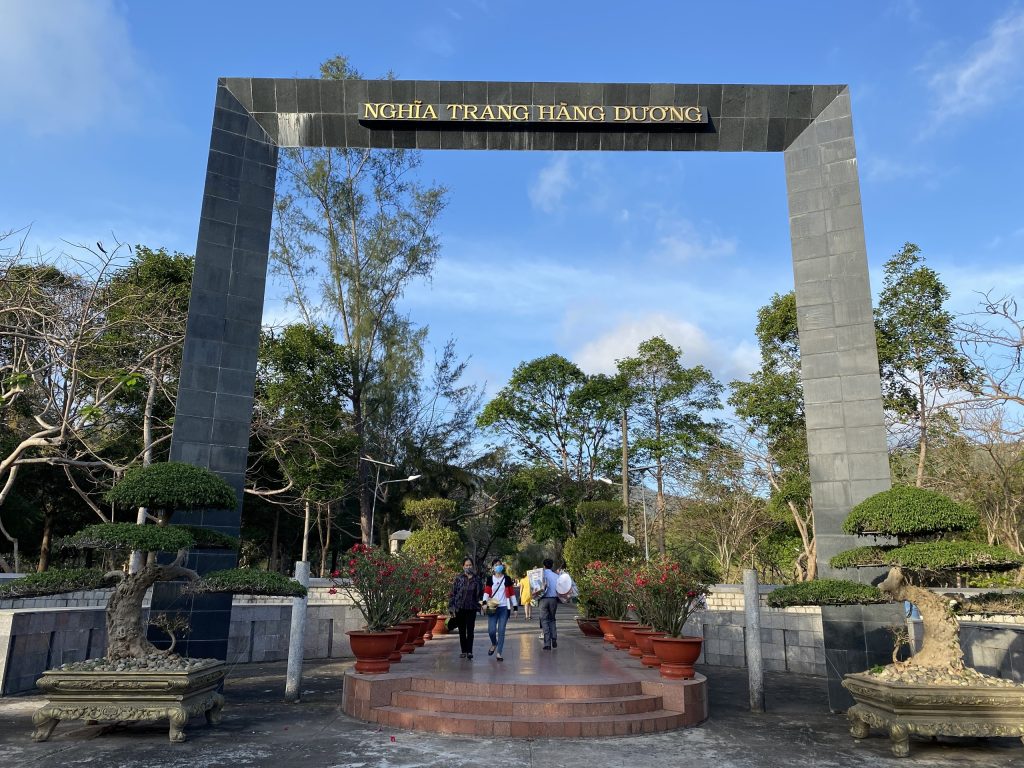
A cemetery shaped by the island’s history
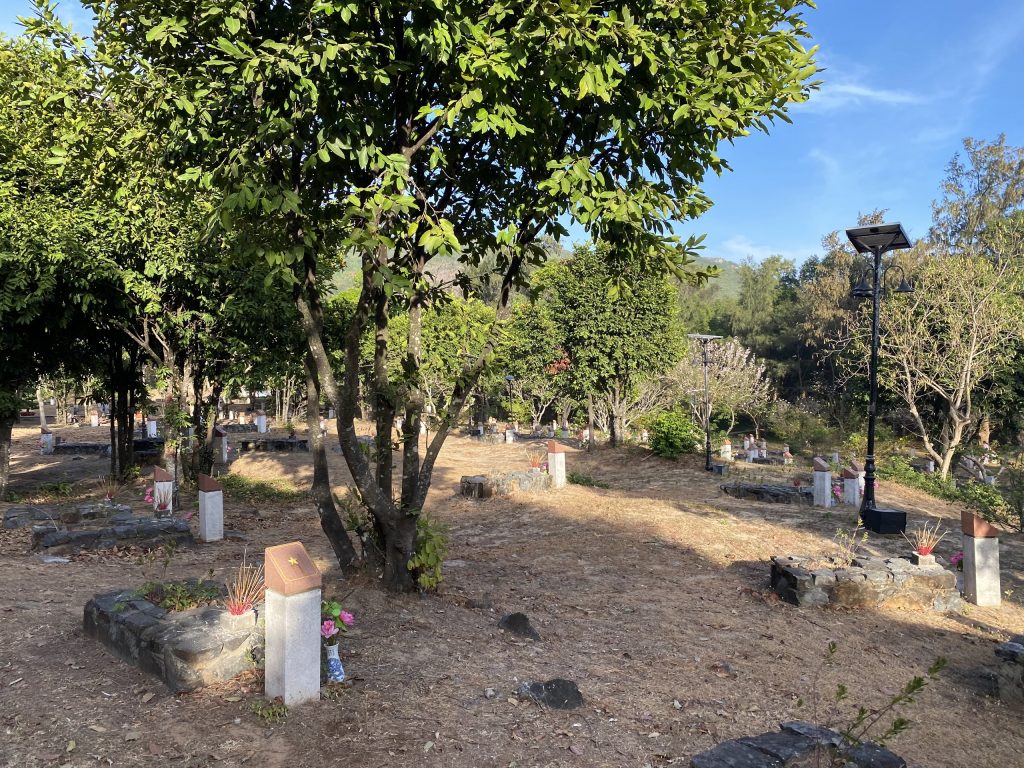
According to local heritage information, Hàng Dương contains 1,922 graves, including 714 with identified names. Many others remain unnamed. The cemetery is arranged into sections A, B, C and D, with section B further divided into B1 and B2. Restoration and landscaping work began in 1992.
The tree-lined paths connect individual graves and communal memorials. Rather than trying to visit every section quickly, allow enough time to read the names and explanations along the way.
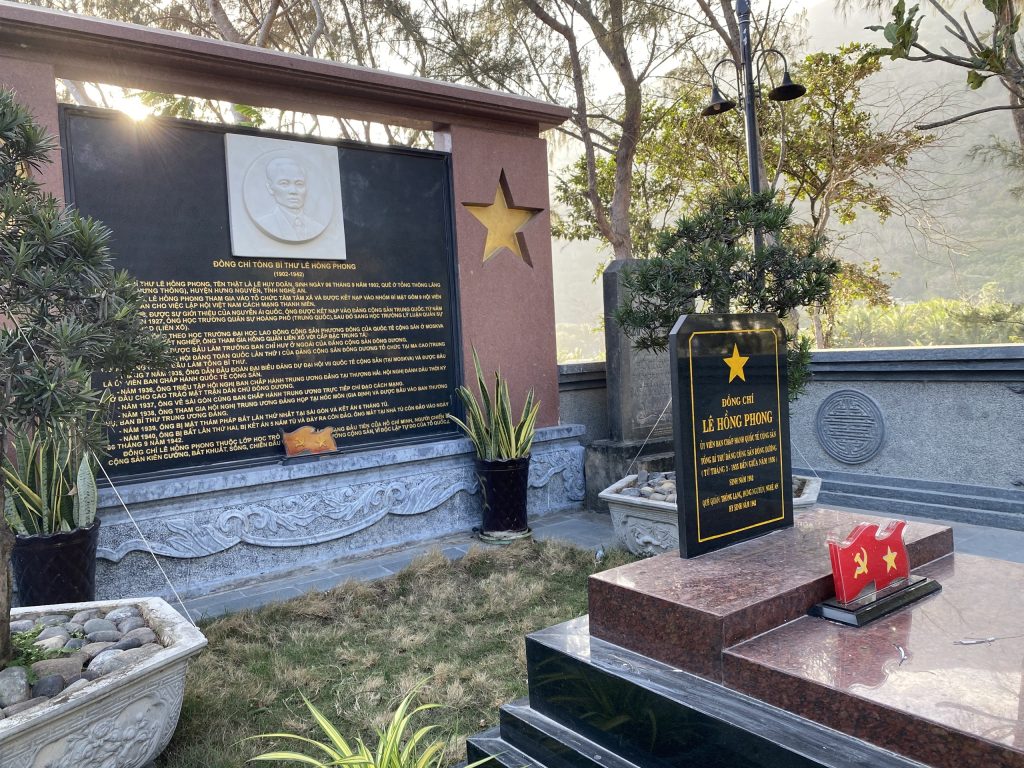
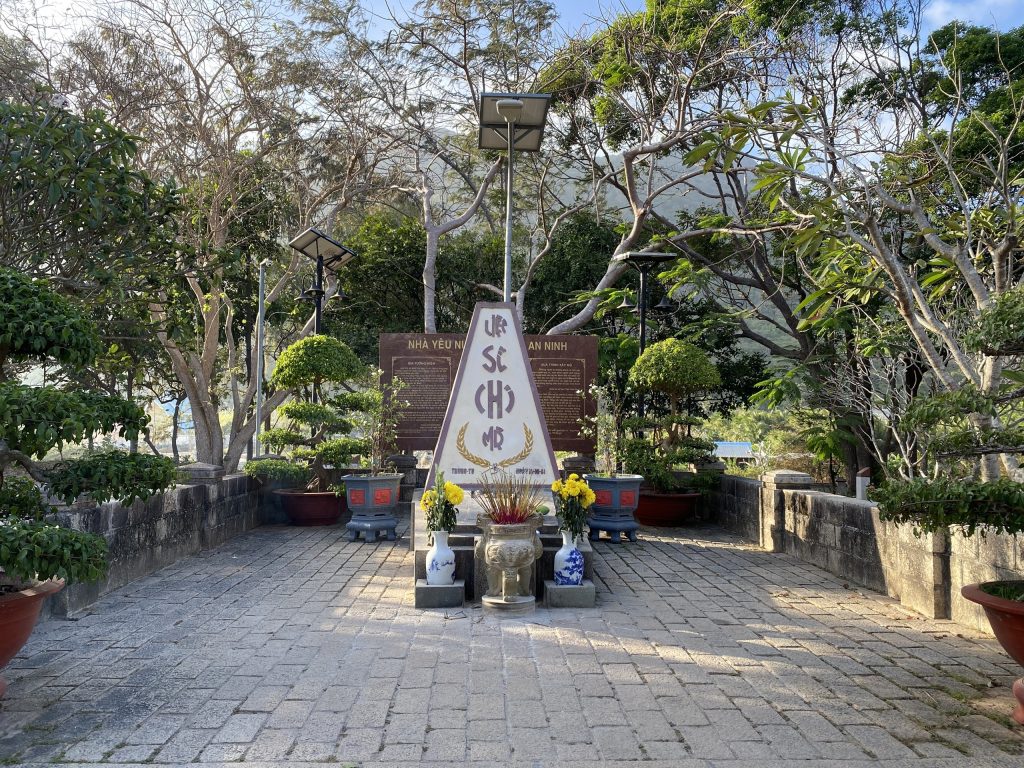
Notable graves and memorial sections
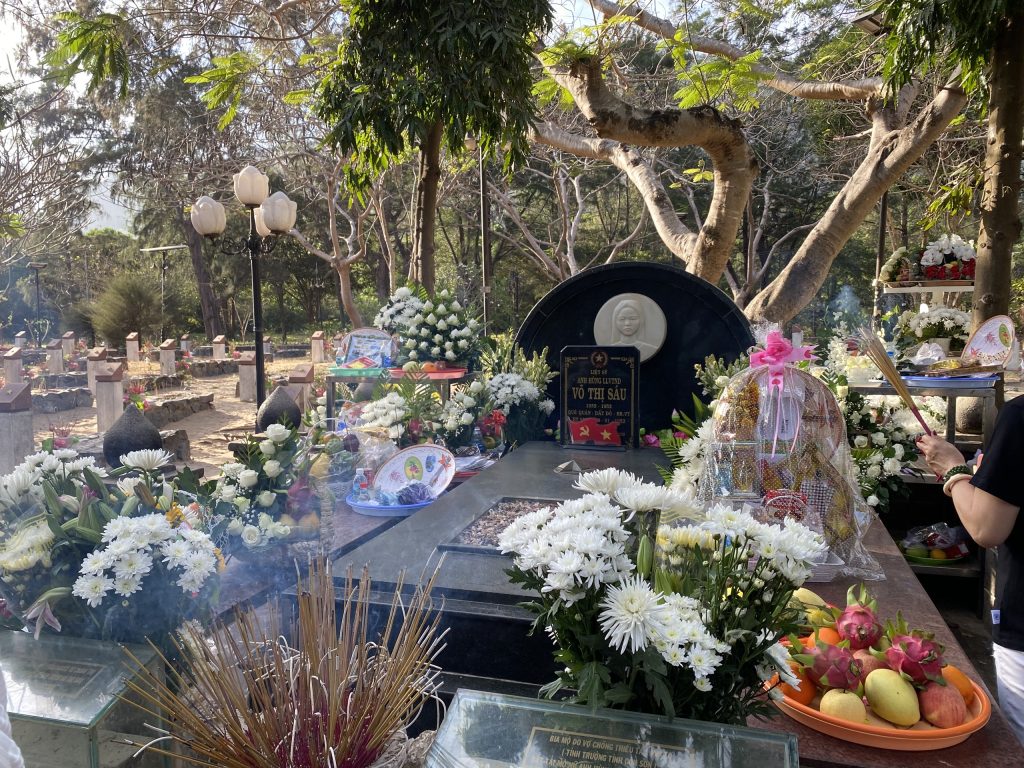
Section A includes the graves of revolutionary leader Lê Hồng Phong and patriot Nguyễn An Ninh. The grave of Võ Thị Sáu, recognised as a Hero of the People’s Armed Forces, is in section B. Section D includes remains reinterred from Hòn Cau, Hàng Keo and other locations.
Maps and staff guidance can help you locate a particular grave. If you are visiting as a group, agree on a meeting point and keep the atmosphere quiet for other visitors.
Sculptures within the cemetery
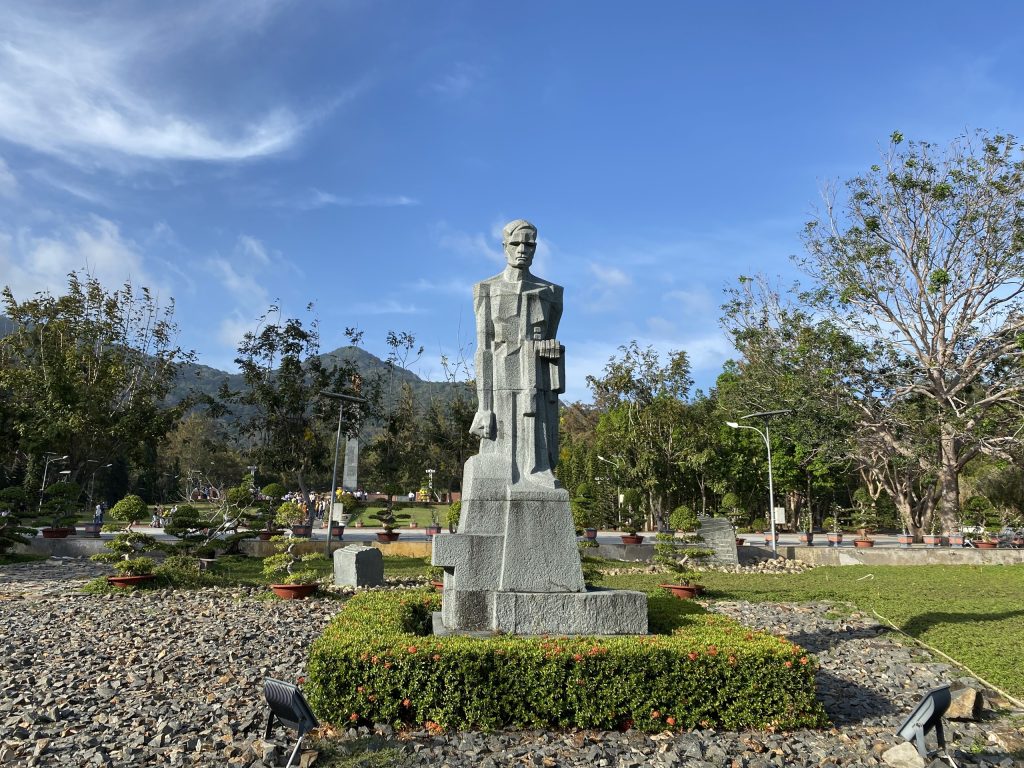
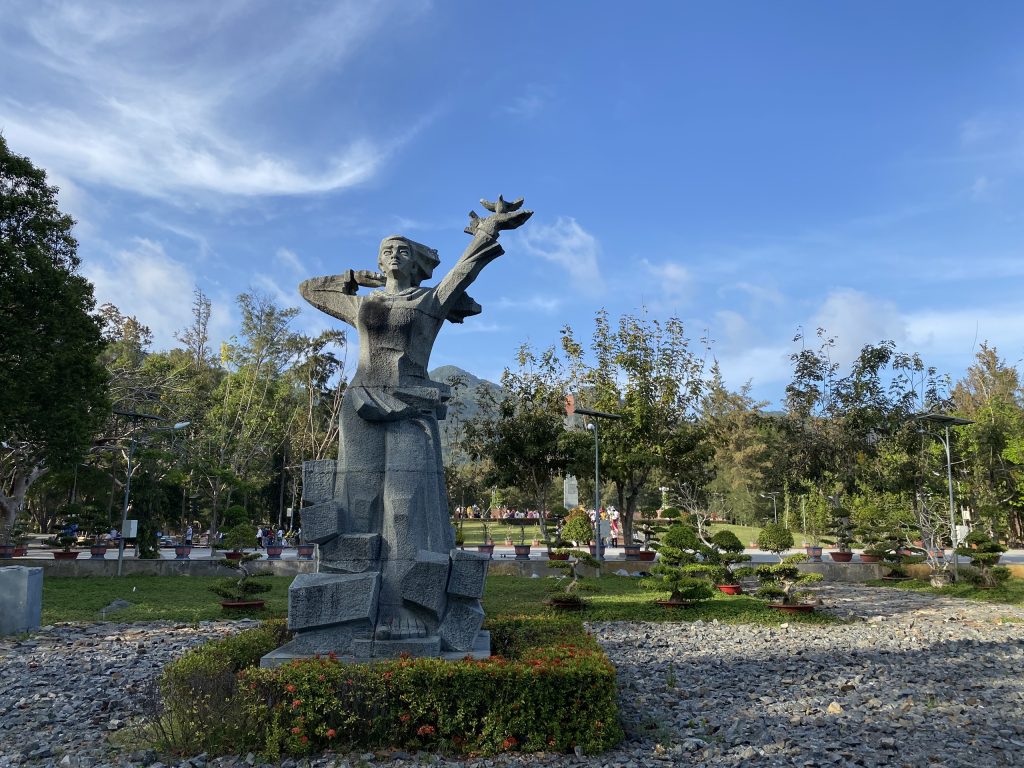
Two notable works are the Thủy Chung sculpture, previously known as Trao Áo, and the Hy Vọng (Hope) sculpture. The first recalls solidarity among prisoners; the second represents hope and perseverance. Together with the graves, they help tell the human stories behind the site’s history.
Opening hours
According to the cemetery management’s published schedule, visiting hours are 7:00–11:30 and 13:00–24:00, every day including public holidays and Tết. Special events may affect arrangements, so check the official website before visiting.
Visiting respectfully
Dress respectfully, speak quietly and follow the cemetery staff’s guidance. Pets are not permitted, and visitors are asked not to bring plastic bags or single-use plastic items. Burning paper offerings is prohibited.
Fresh flowers are welcome where permitted. Keep pathways clear, leave existing offerings undisturbed and ask permission before photographing other people at close range. If travelling with children or older visitors, daytime may make signs and paths easier to navigate.
You can combine a visit with other historic sites on Côn Đảo, but leave space in your itinerary for rest and reflection. The official cemetery website provides the latest rules, opening hours and contact information.
Official Hàng Dương Cemetery visitor information
Google Maps: Nghĩa trang Hàng Dương
The map shows the site’s location. Confirm the entrance and visiting hours with the site management before you go.