
Ngôn ngữEnglish
Hòn Bảy Cạnh is known for its sandy coastline, mangrove habitat and sea turtle conservation work carried out by Côn Đảo National Park. On an authorised visit, you may learn how eggs are protected and why quiet beaches matter to nesting turtles.
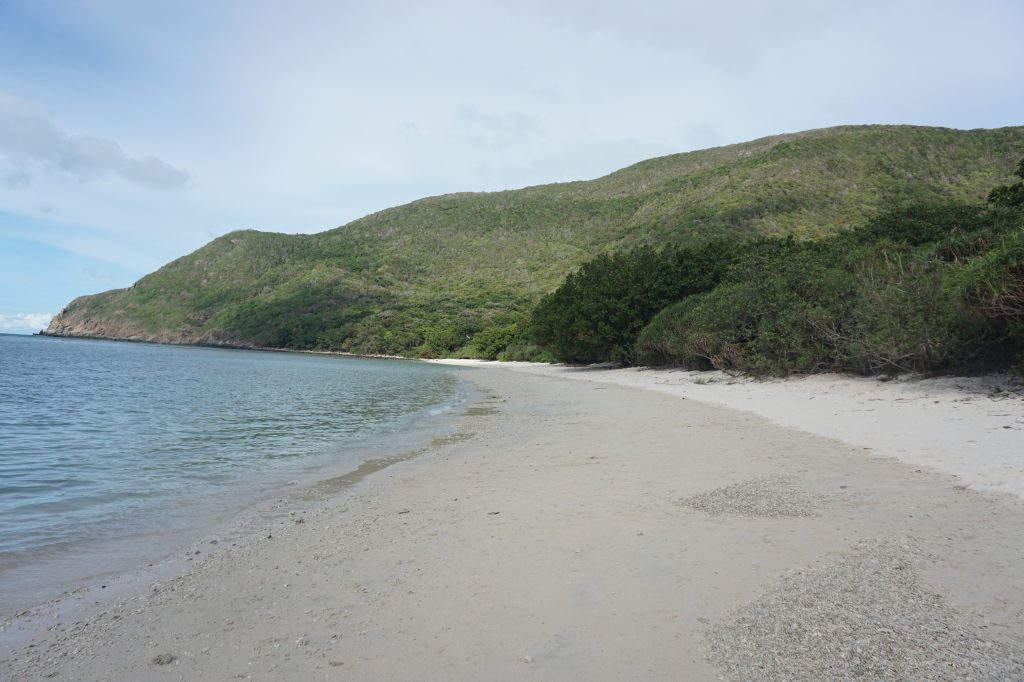
What makes Hòn Bảy Cạnh special?
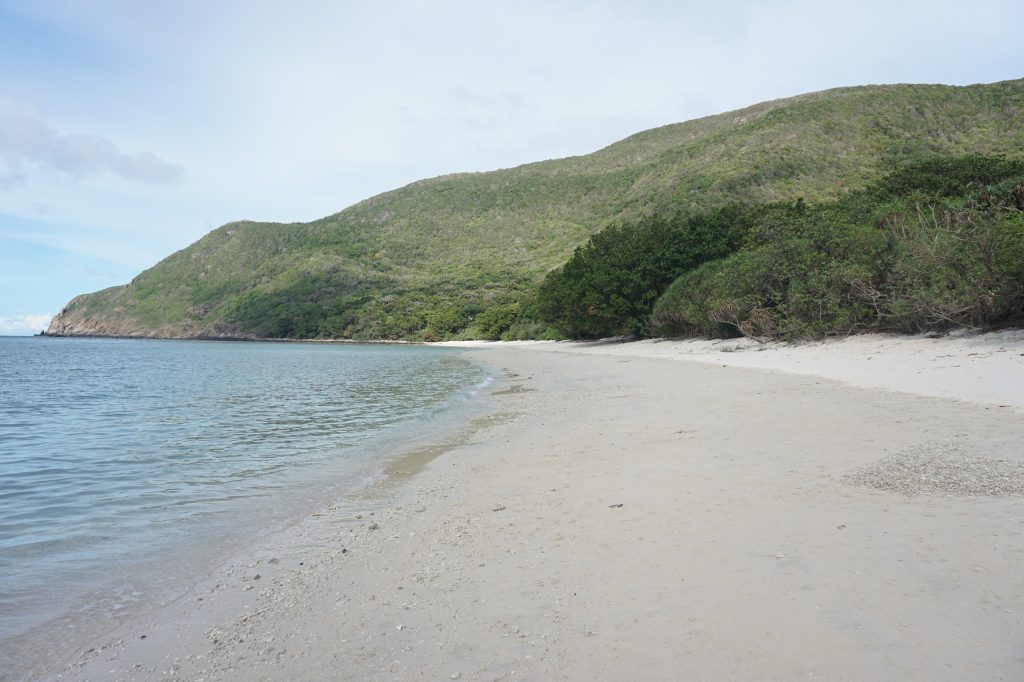
Cát Lớn Beach on Hòn Bảy Cạnh is an important nesting habitat. Pale sand, clear coastal water and green hills create beautiful scenery, but visitor routes are controlled to protect nesting areas. Follow the park staff rather than exploring sensitive beaches on your own.
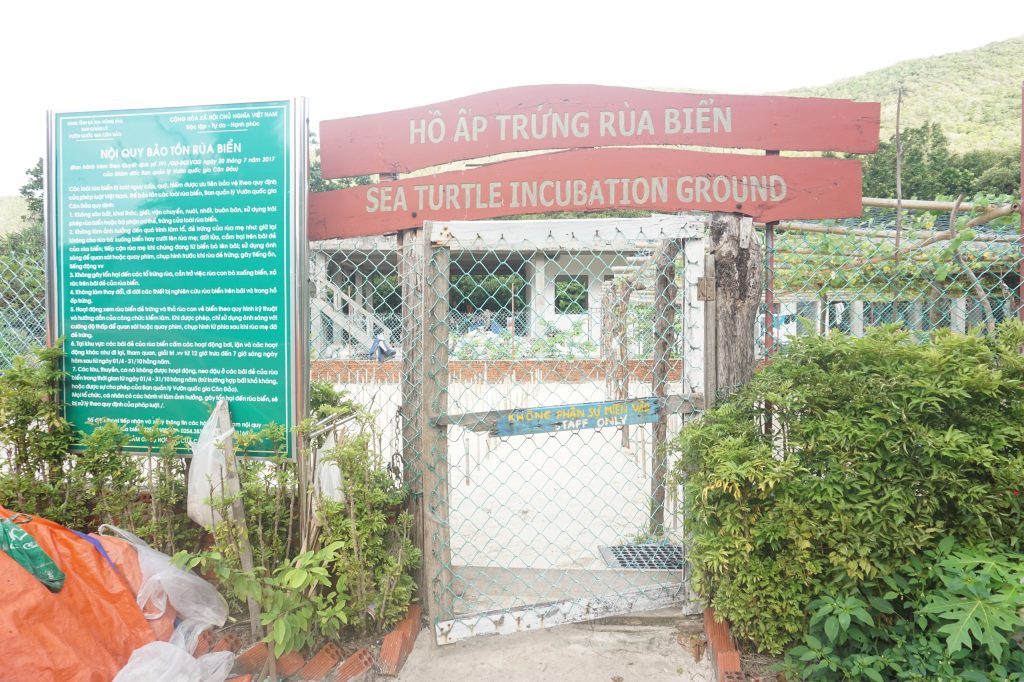
Inside the sea turtle conservation programme
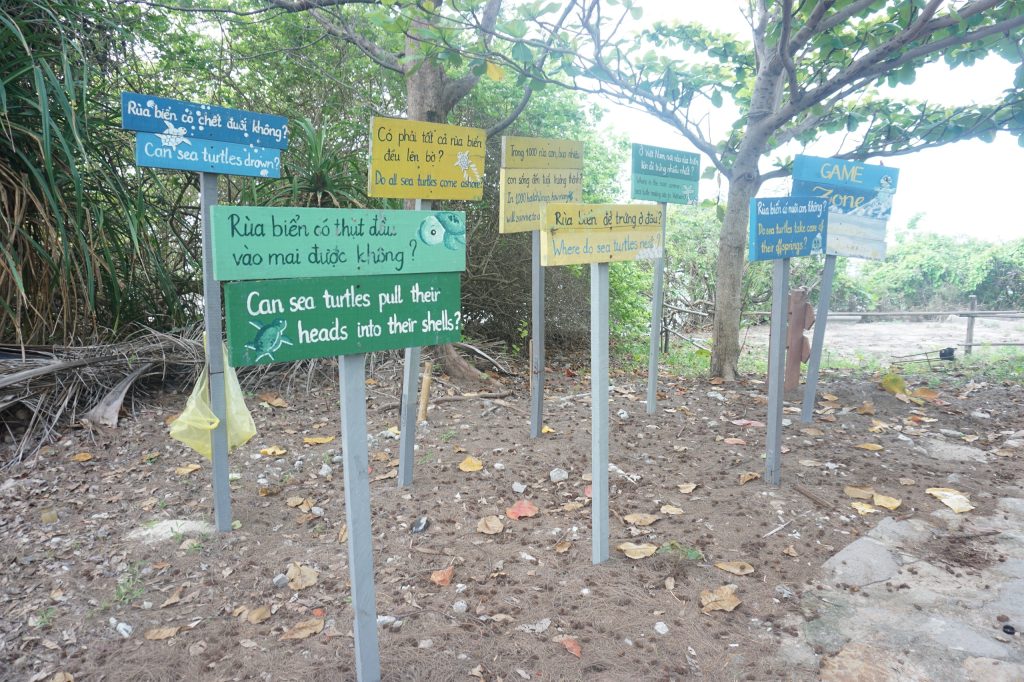
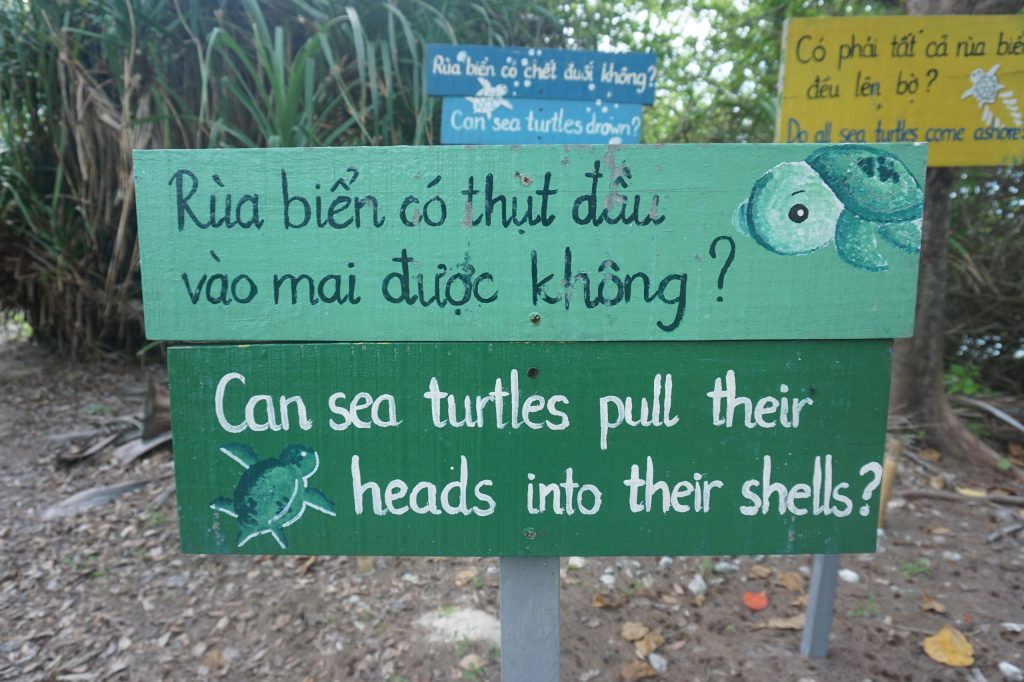
At the conservation station, protected incubation areas and educational signs explain what happens after a turtle lays eggs. Visitors must not touch eggs, pick up hatchlings or interfere with nests for photographs. Park rangers and conservation staff decide where groups may stand.
Watching nesting and hatchling release
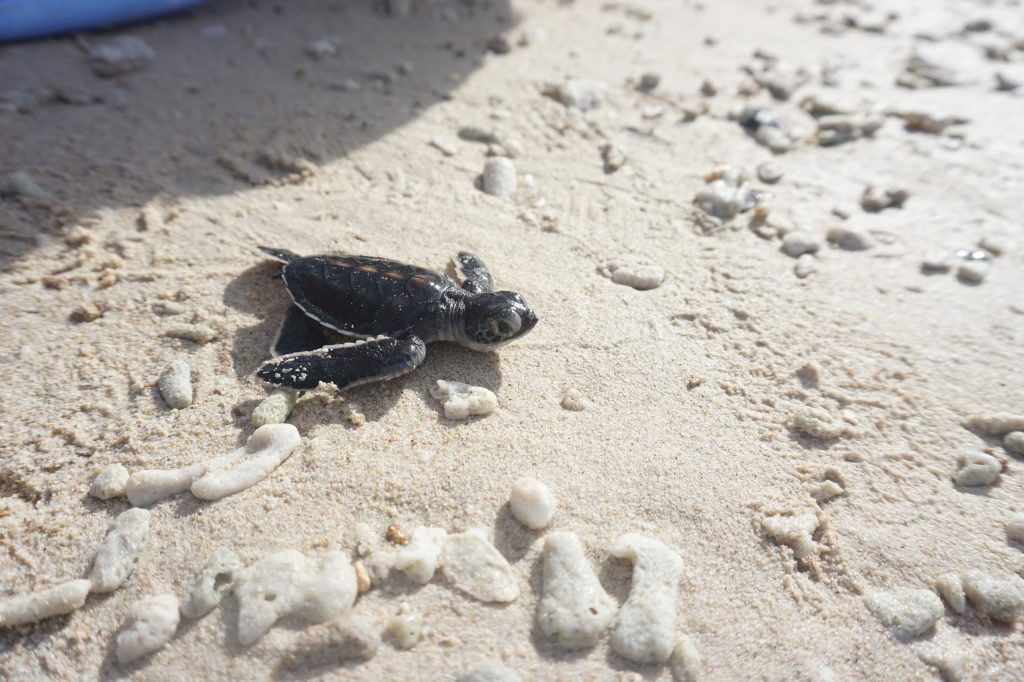
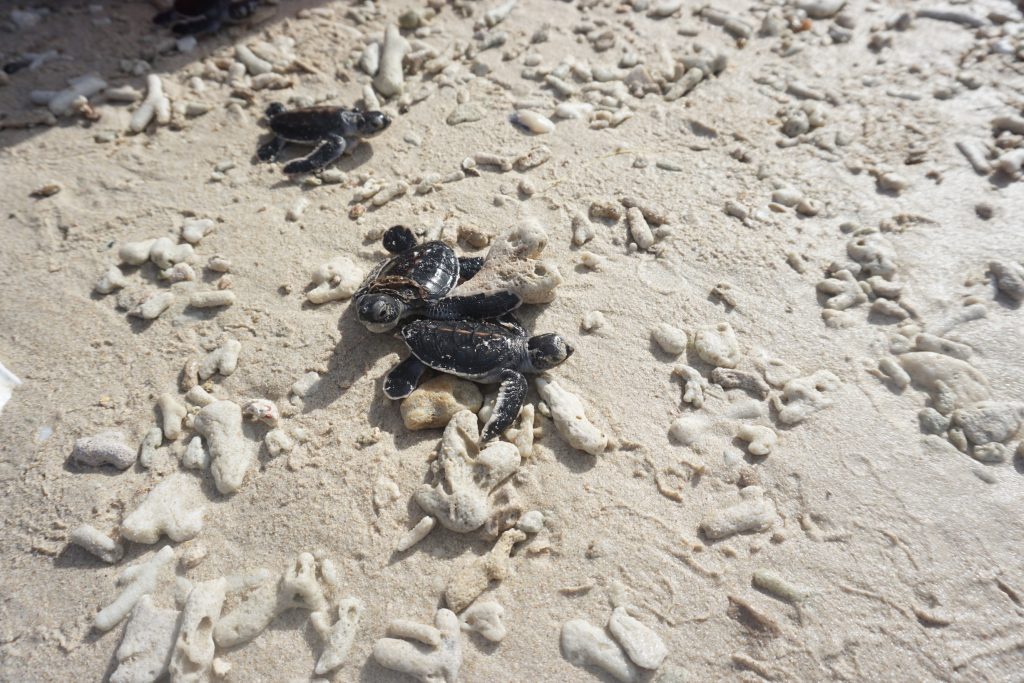
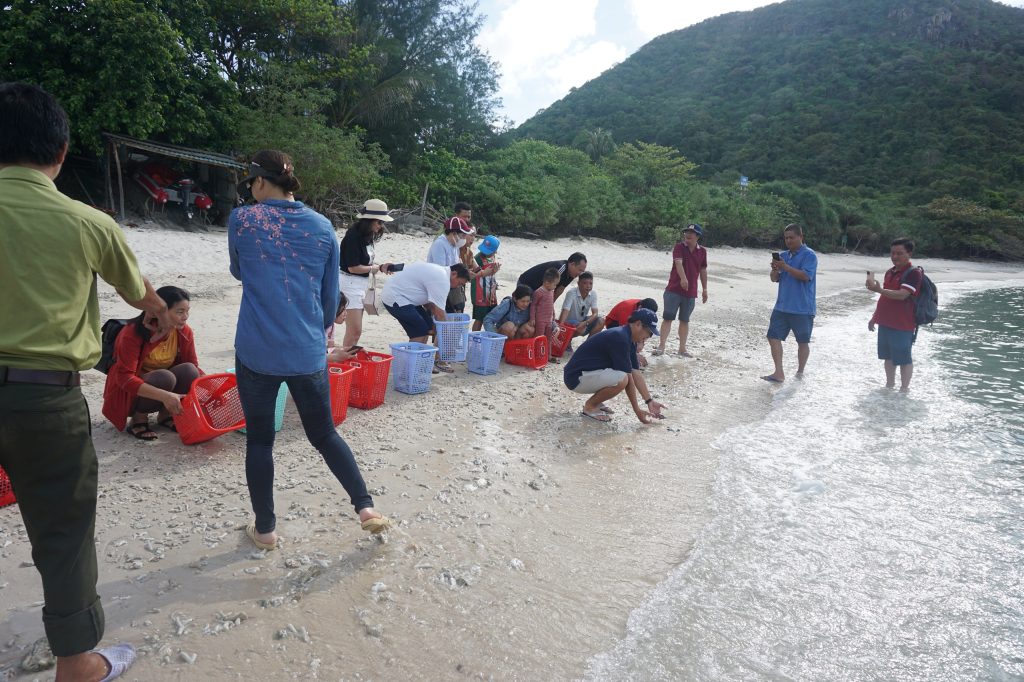
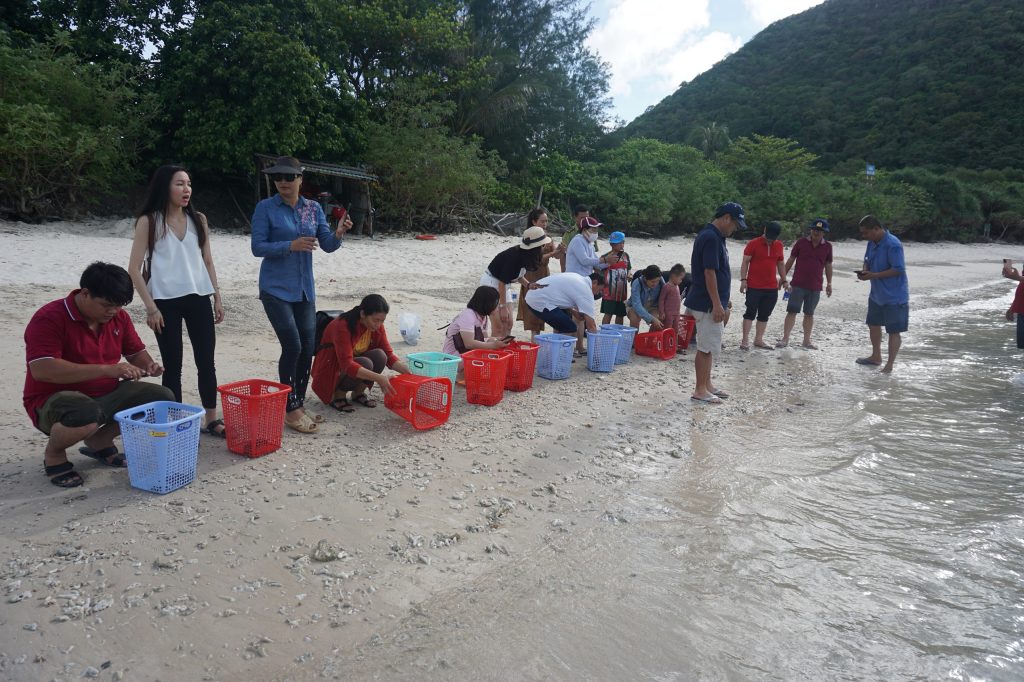
Watching a mother turtle nest takes place at night, while hatchling releases happen in the morning only when baby turtles have hatched. Neither event is guaranteed for every trip. The park organises limited groups and asks visitors to remain quiet, avoid strong lights and follow instructions throughout.
When is turtle nesting season?
The usual nesting season is approximately April to November, with a peak around June to September. This is a guide to the natural cycle, not a promise that turtles will be present on a specific date. Ask the park which experiences are available before arranging an overnight stay or boat transfer.
The mangrove forest
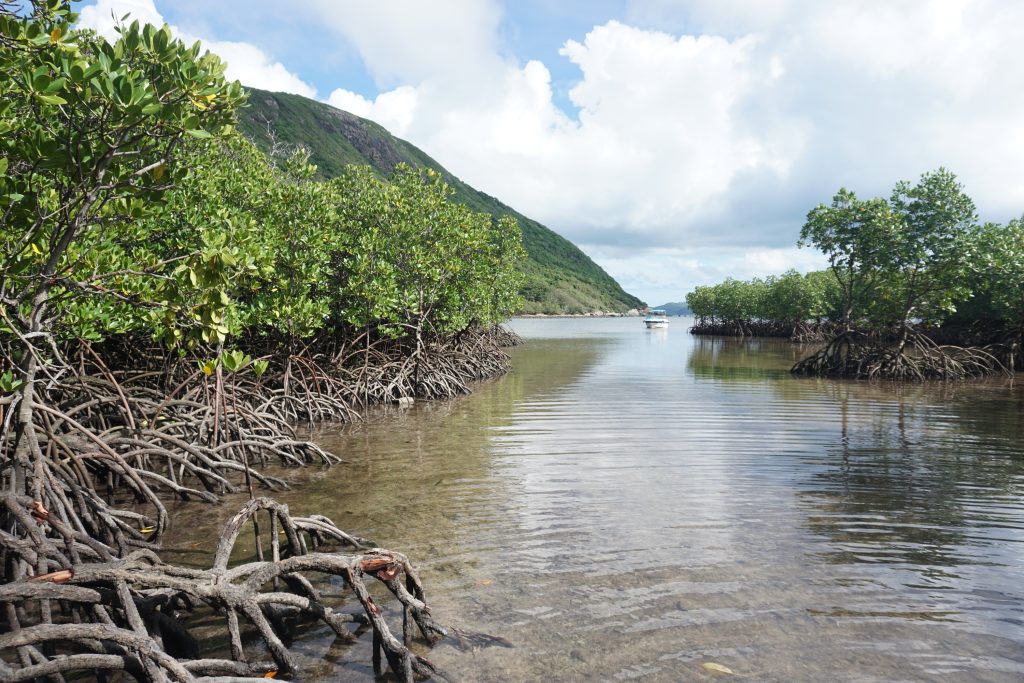
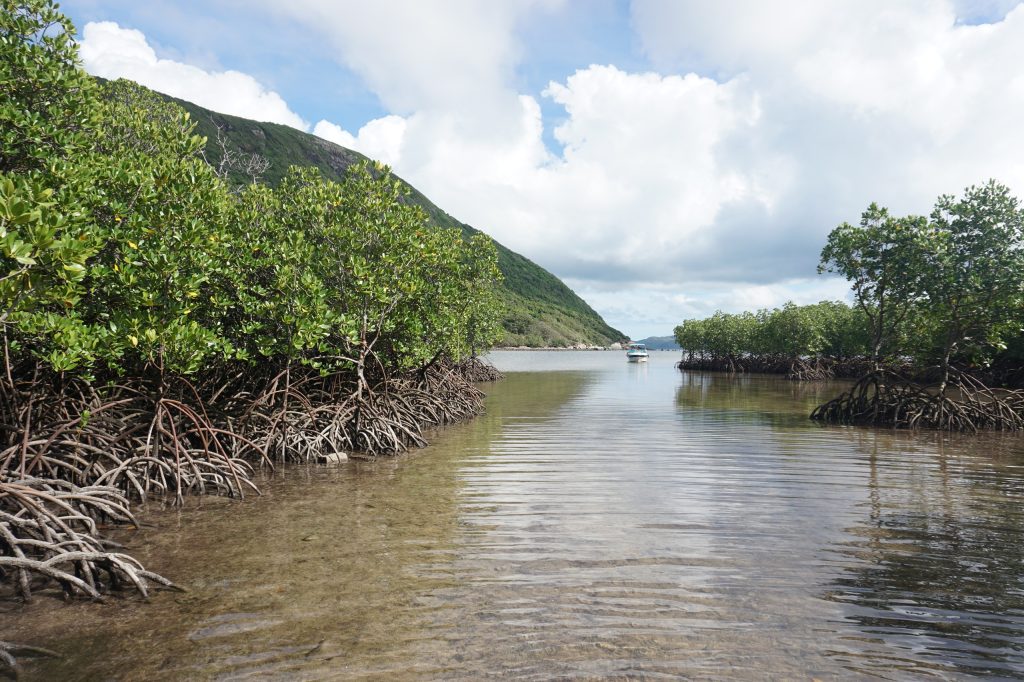
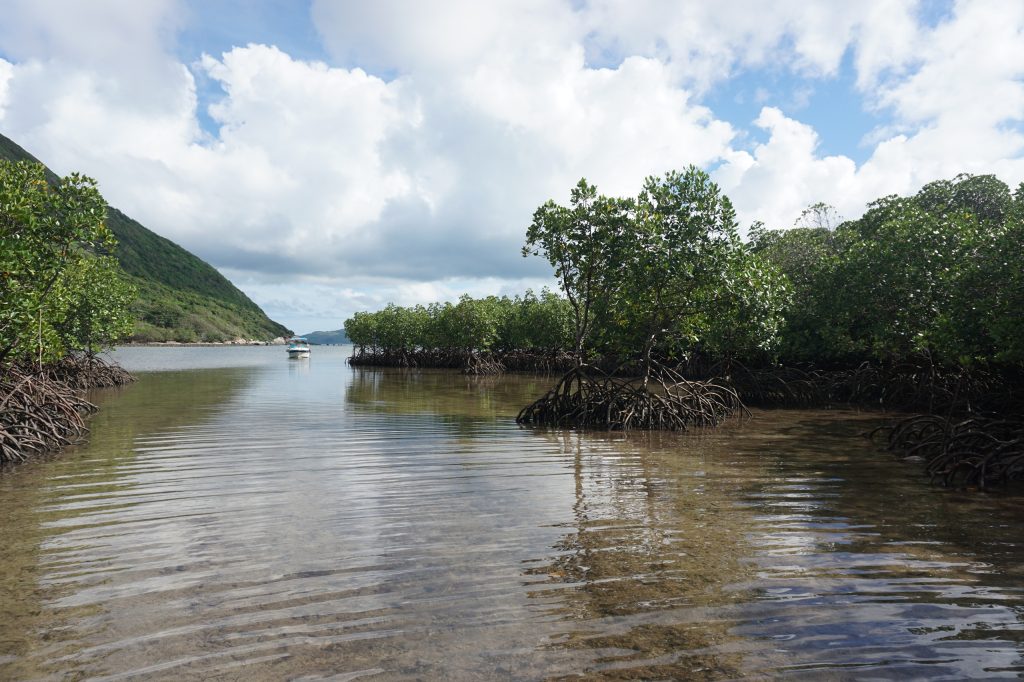
Away from the beach, shallow channels pass between trees with exposed roots. This habitat deserves a separate look: do not step on roots, break branches or collect plants. Access and walking routes may change with tides and conservation requirements.
Planning an authorised visit
Turtle experiences are arranged through the National Park’s Ecotourism and Environmental Education Department. Confirm the meeting point, island transfer, group limits, fees, return time and weather policy. Your mainland ferry ticket to Côn Đảo does not include an excursion to Hòn Bảy Cạnh.
Protecting the turtles and the island
Avoid flash photography, bright lights, shouting and single-use plastics. Carry your rubbish back to the main island as instructed. If weather or turtle activity changes, the park may adjust the programme to put wildlife conservation first.
For official rules and registration details, consult Côn Đảo National Park before booking.