
Ngôn ngữEnglish
Vân Sơn Tự, also known as Núi Một Pagoda, rests on the hillside of Núi Một on Côn Đảo Island. With curved tile roofs, shady courtyards and views towards the coast, it is both a place of Buddhist worship and a peaceful stop for visitors interested in the island’s culture.
The history of Vân Sơn Tự
Vân Sơn Tự was established in 1964 and has changed with the island’s history. It was recognised as a provincial historic and scenic site in 2009, and a major restoration was completed in December 2011. Today, the pagoda is an active spiritual space for local residents and visitors, so the grounds should be approached with respect.
Roofs, courtyards and temple buildings
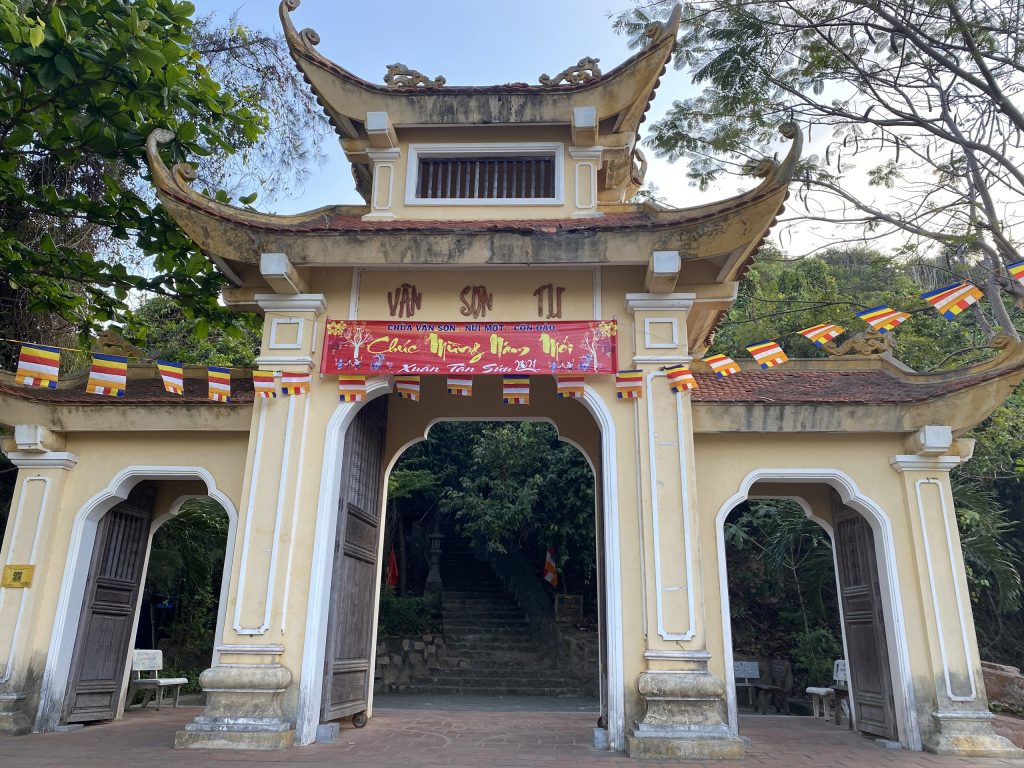
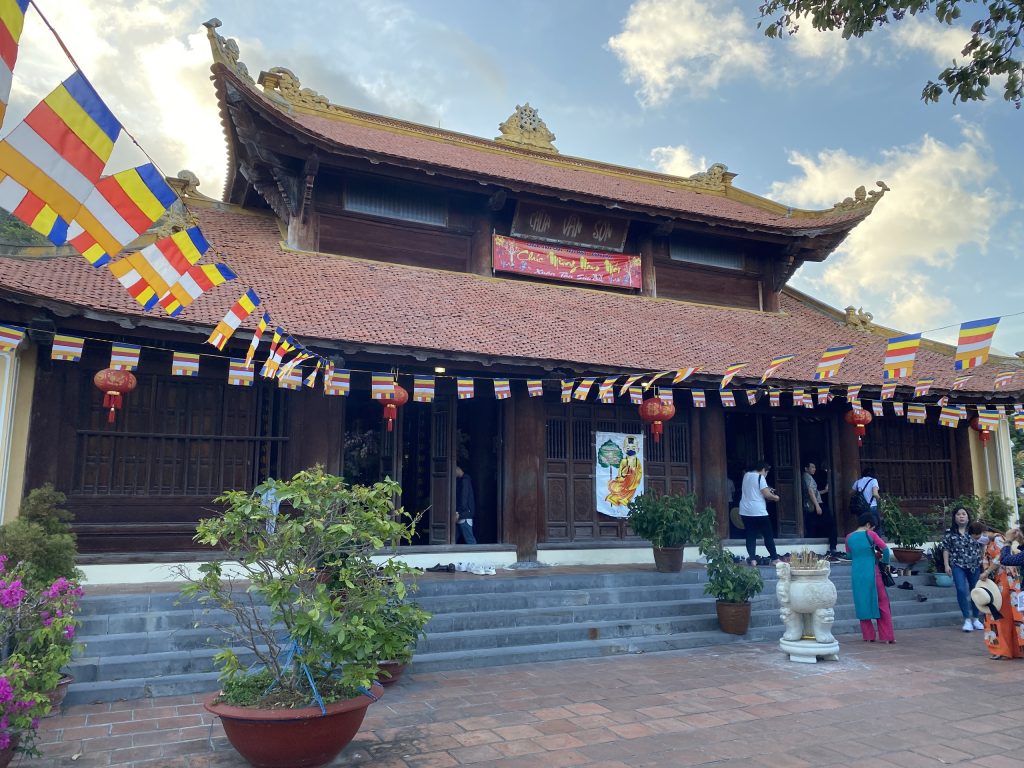
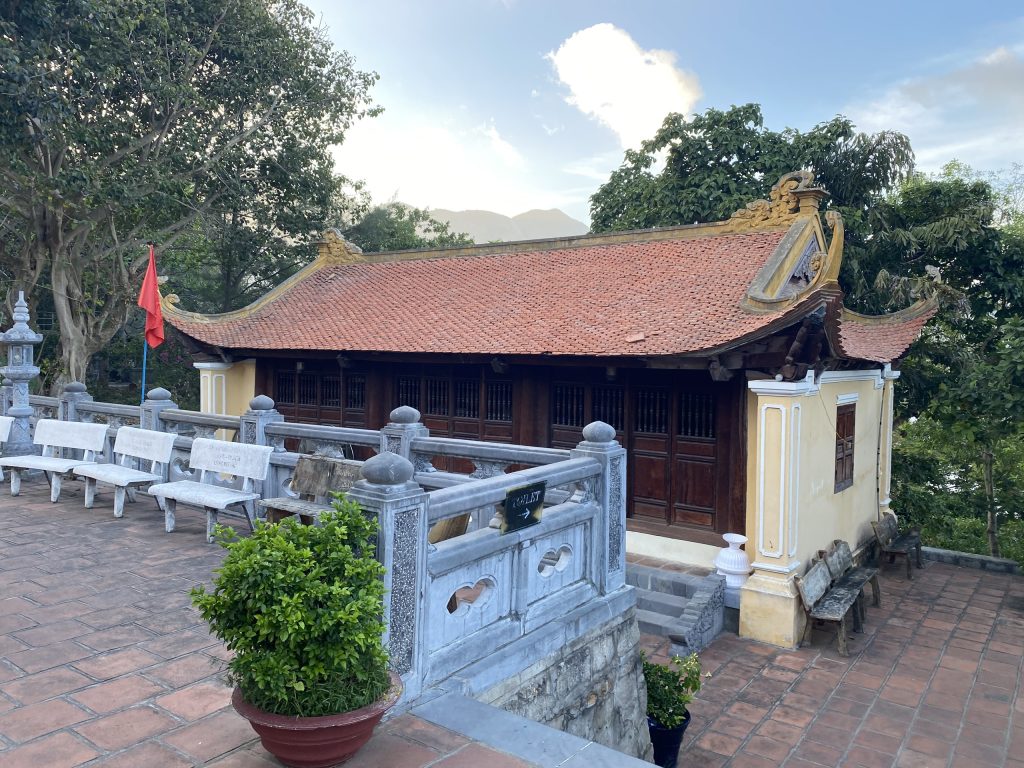
The light-coloured entrance gate has three passages topped by curved roofs. Inside, tiled buildings and stone balustrades stand among trees and open courtyards. Take time to look at the overall layout before moving closer to the details of the timber columns and rooflines.
The drum pavilion and bronze bell
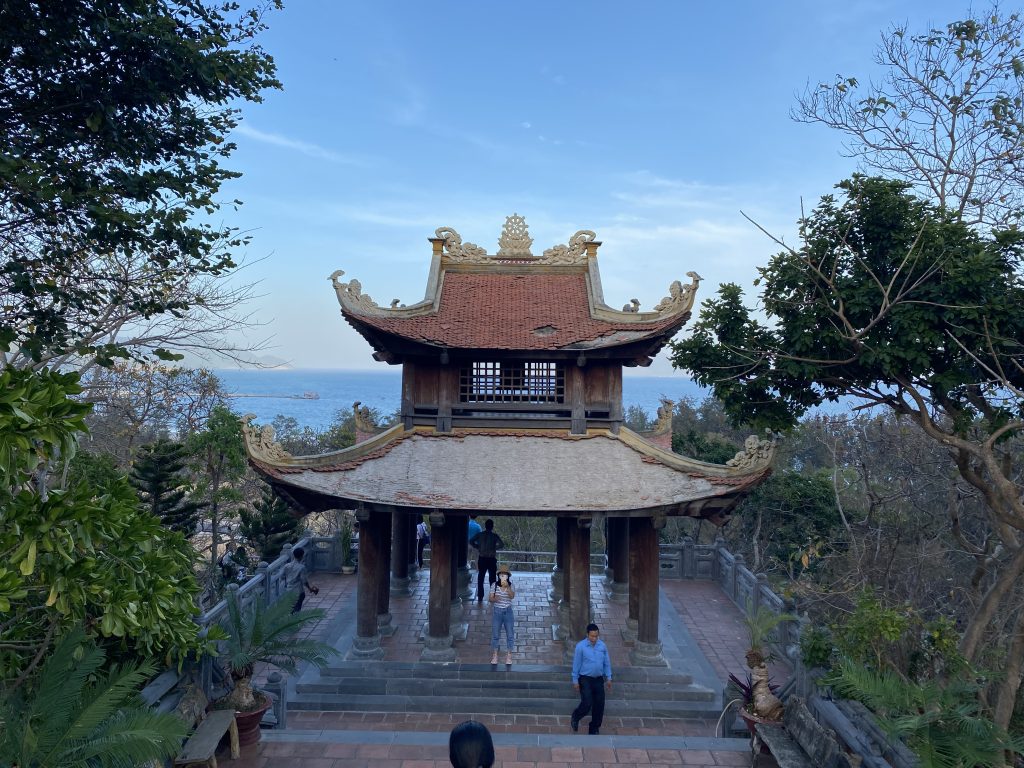
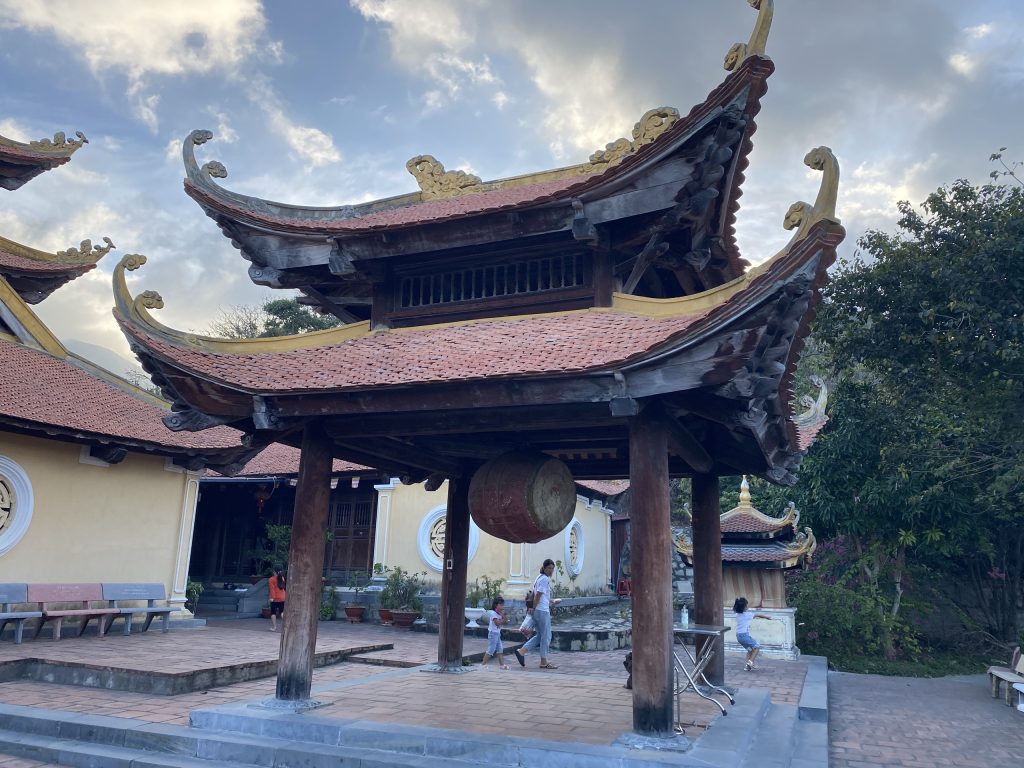
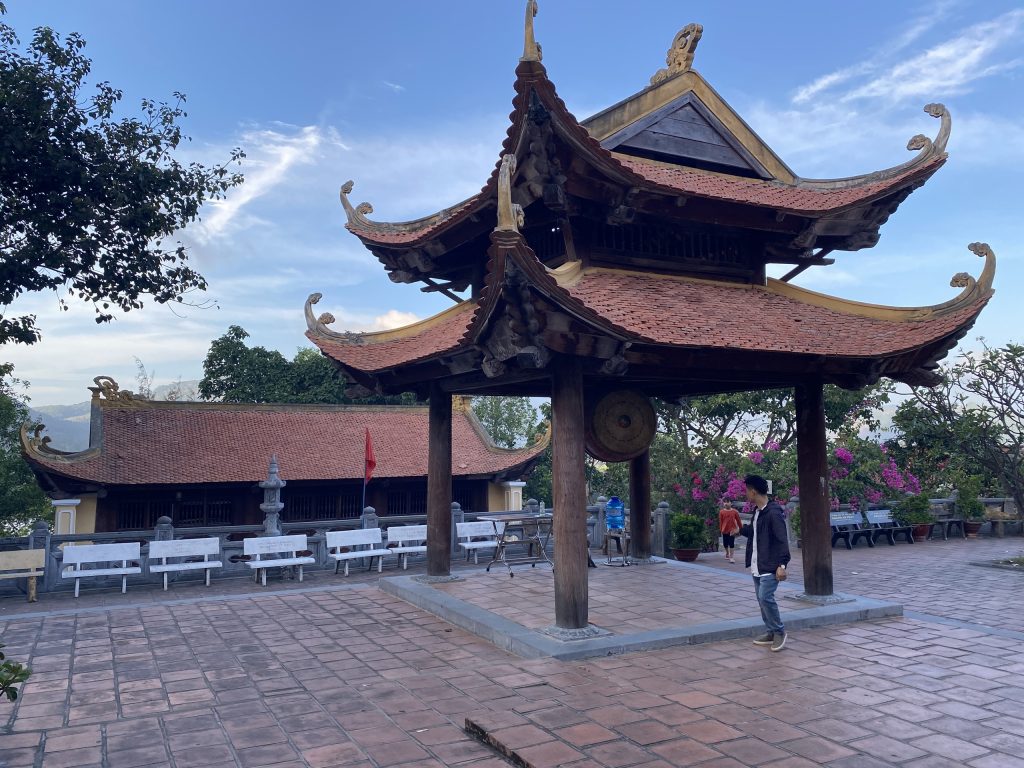
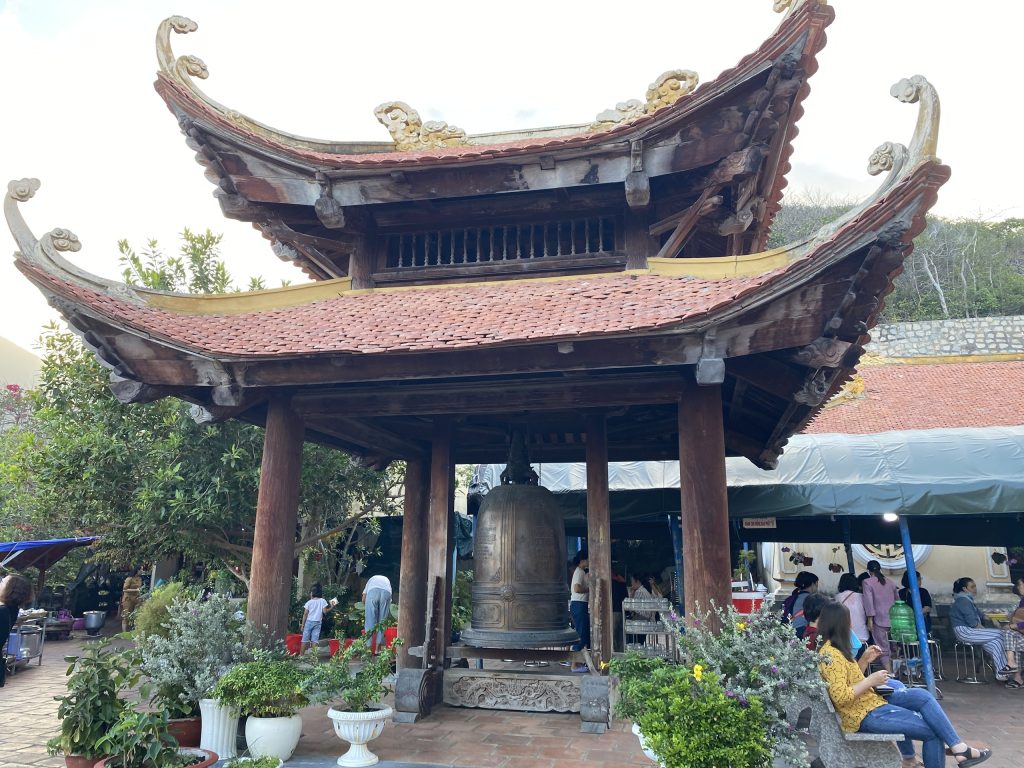
The drum pavilion is built with layered roofs and a large hanging drum. Nearby, a bronze bell hangs beneath another tiled roof. These are part of the pagoda’s worship environment, not props for visitors to handle; please do not strike the instruments without permission.
The Avalokiteśvara statue
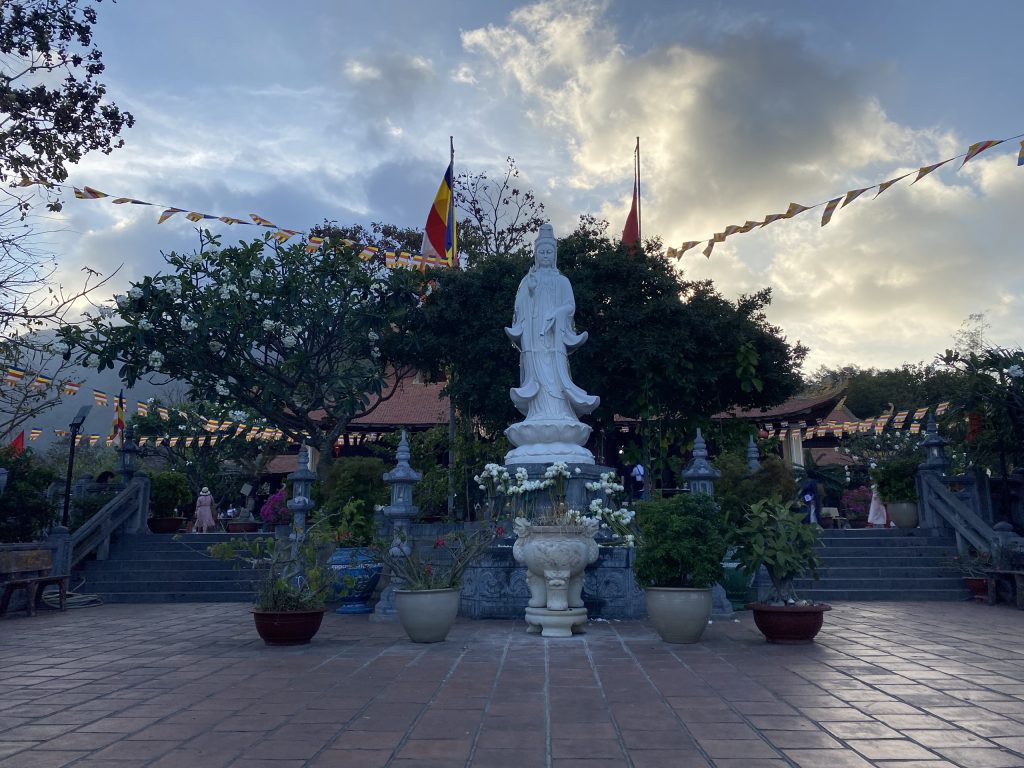
A white statue of Quan Âm (Avalokiteśvara) stands on a lotus pedestal in the courtyard. The surrounding trees and temple buildings give the statue a calm setting. If people are worshipping, leave them space and avoid blocking their path for photographs.
Stone steps and the hillside approach
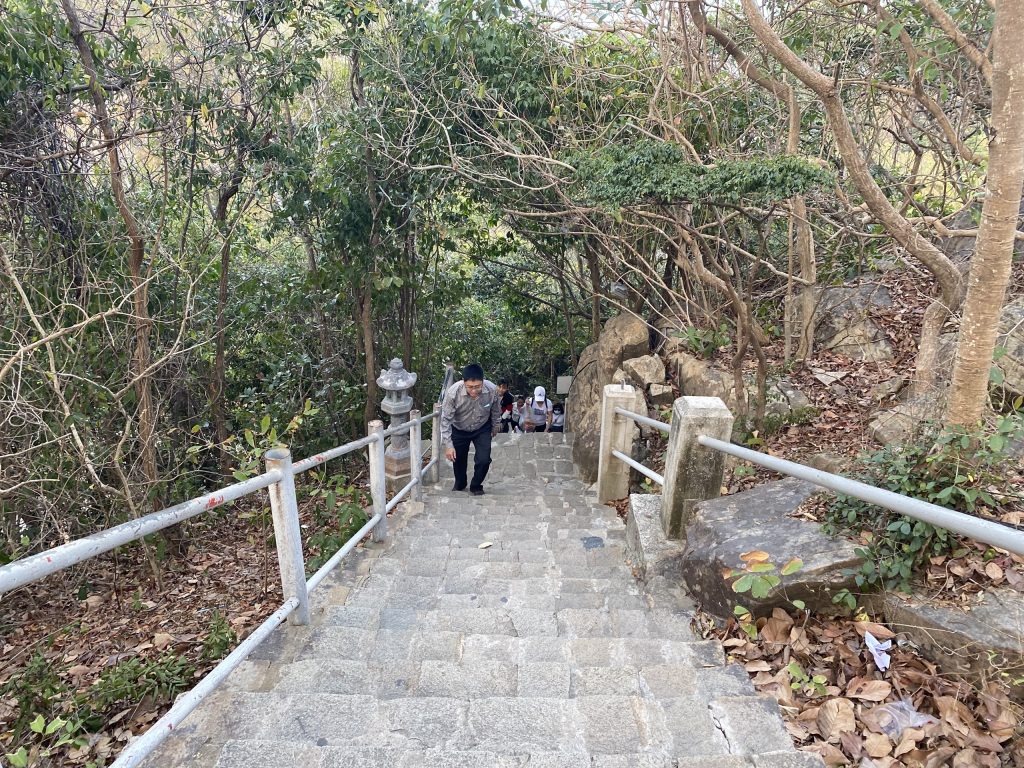
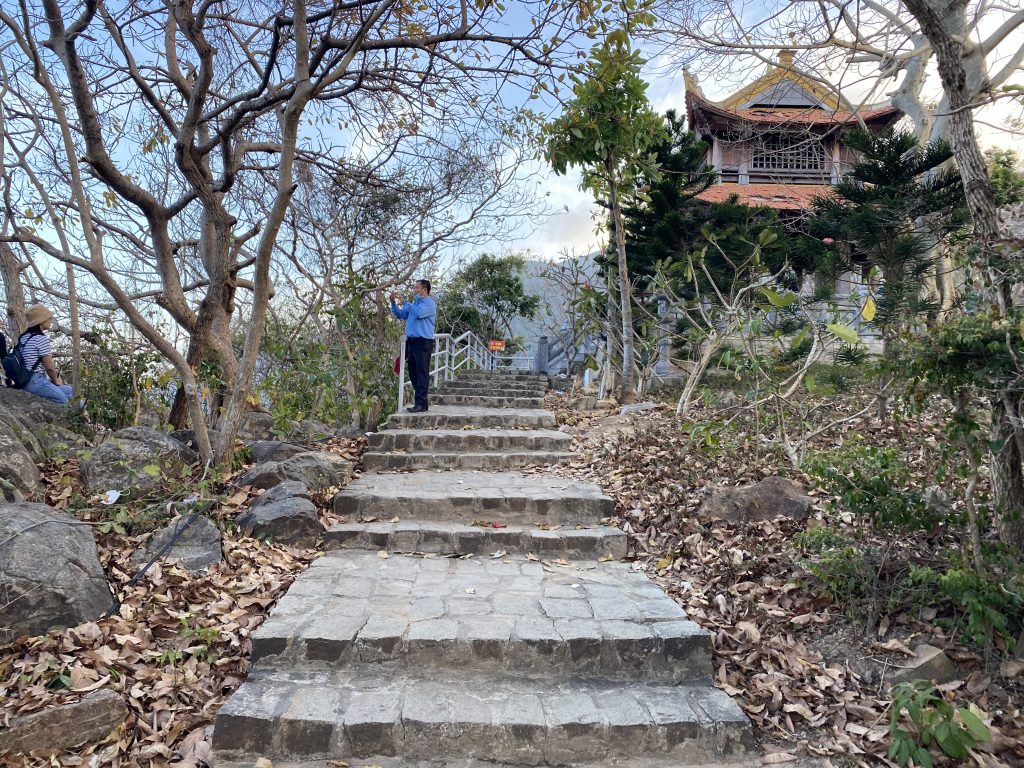
The approach includes stone steps, railings and shaded stretches between rocks and trees. Wear shoes with good grip, especially after rain. Visitors with limited mobility should ask locally about access and suitable stopping points before attempting the climb.
When to visit and what to bring
The Vietnamese guide on this website lists approximately 7:00–18:00 as reference visiting hours, but temple activities may change on special dates. Confirm the latest opening arrangements locally, carry drinking water and allow time to walk at a comfortable pace.
Visiting a place of worship
Wear modest clothing and speak quietly. Do not move offerings, ring bells or drums, feed wildlife or leave litter. Ask before photographing inside worship areas, and keep walkways clear when ceremonies are taking place. A short, unhurried visit is often more rewarding than trying to fit the pagoda into a crowded schedule.
For additional history of the site, see the Côn Đảo tourism information portal.
Vân Sơn Tự on the official Côn Đảo tourism portal
Google Maps: Vân Sơn Tự
The map shows the site’s location. Confirm the entrance and visiting hours with the site management before you go.